
Foods That Prevent Age-Related Vision Loss
Discover the science-backed nutrients and delicious foods that protect your eyes as you age. From lutein to anthocyanins, learn how the right diet supports sharp vision for decades to come.
The information on this site is for educational purposes only and does not constitute medical advice. Always consult a qualified healthcare professional before making health decisions.
Vision Loss Facts & Prevention Impact
Adults over 65 experience age-related vision changes that affect daily life.
Reduction in vision decline risk through antioxidant-rich diets.
Nutrients scientifically proven to support macular and lens health.
Consistent nutrition habits yield measurable protective benefits over time.
Essential Vision-Protective Foods
Leafy Greens
Spinach, kale, and collard greens are packed with lutein and zeaxanthin—carotenoids that filter harmful blue light and protect the macula from oxidative damage.
Berries & Dark Fruits
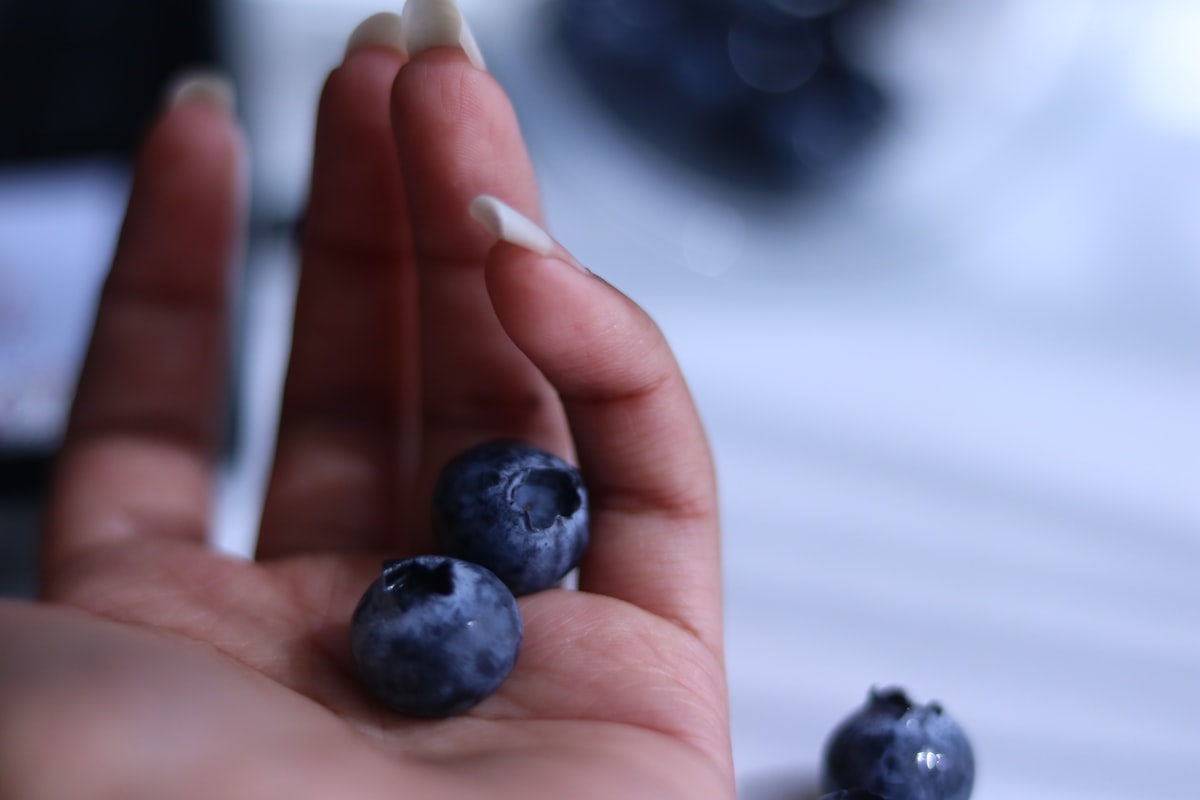
Blueberries, blackberries, and dark cherries contain anthocyanins—powerful antioxidants that reduce inflammation and improve night vision and visual contrast sensitivity.
Orange & Yellow Produce
Carrots, sweet potatoes, and squash deliver beta-carotene and vitamin A, essential for retinal function, night vision, and overall photoreceptor health.
Red & Pink Foods
Tomatoes, red peppers, and watermelon contain lycopene and vitamin C—antioxidants that combat cataracts and age-related macular degeneration at the cellular level.
Fatty Fish & Seafood
Salmon, mackerel, and sardines are rich in omega-3 fatty acids (EPA and DHA), which support retinal membrane integrity and reduce inflammatory eye disease progression.
Eggs & Nuts
Eggs contain choline and lutein, while almonds and walnuts provide vitamin E and zinc—minerals that protect lens clarity and support healthy intraocular pressure.
Key Nutrients for Vision Health
Lutein & Zeaxanthin
These yellow-orange carotenoids are concentrated in the macula of the retina. They act as natural sunglasses, filtering blue light wavelengths and shielding photoreceptors from oxidative stress. Scientific evidence shows that individuals with higher dietary lutein intake have significantly lower rates of age-related macular degeneration.
- Found in leafy greens, broccoli, Brussels sprouts
- Non-synthesized by the body—must come from diet
- Absorbed better with dietary fat; add olive oil to salads
Omega-3 Fatty Acids
EPA and DHA are long-chain omega-3s essential for retinal photoreceptor membranes. They reduce systemic inflammation, support tear film production, and slow the progression of age-related vision decline. Fish oil consumption correlates with preserved visual acuity in aging populations.
- Salmon, mackerel, herring, and sardines are richest sources
- Support macular pigment density and retinal circulation
- Two to three servings weekly provide protective benefit
Antioxidant Vitamins
Vitamins C and E combat free radical damage within the eye. Vitamin C supports collagen synthesis in the cornea and sclera, while vitamin E protects cell membranes from lipid peroxidation. Together, they form a synergistic defense against cumulative oxidative stress in retinal tissues.
- Vitamin C: citrus, kiwi, bell peppers, strawberries
- Vitamin E: almonds, sunflower seeds, avocado
- Work synergistically to slow cataract progression
Zinc & Anthocyanins
Zinc is critical for retinal enzyme function and night vision, while anthocyanins from dark berries strengthen blood vessel walls in the eye and improve microcirculation. This duo enhances visual performance, especially in low-light conditions and reduces age-related decline in contrast sensitivity.
- Zinc: oysters, beef, pumpkin seeds, chickpeas
- Anthocyanins: blueberries, black currants, purple grapes
- Protect the retinal blood-brain barrier
Scientific Evidence: How Diet Slows Vision Decline
Decades of epidemiological research and controlled clinical studies demonstrate that dietary patterns rich in plant-based antioxidants and omega-3 fatty acids significantly reduce the risk and severity of age-related vision loss.
The AREDS2 Study (NIH)
Found that specific nutrient combinations—particularly lutein, zeaxanthin, and omega-3s—reduced advanced macular degeneration progression by up to 25% over five years.
Published in JAMA Ophthalmology, 2013
Mediterranean Diet Research
Longitudinal studies in Spain and Greece show that adherence to Mediterranean eating patterns (high in vegetables, fish, olive oil) correlates with 40% lower incidence of vision loss in older adults.
Ophthalmology journal meta-analysis, 2020
Anthocyanin & Retinal Function
Randomized trials show that anthocyanin supplementation from berry extracts improves contrast sensitivity and reduces eye strain within 4–8 weeks, measurable via standard ophthalmic testing.
Journal of Agricultural and Food Chemistry, 2019

Why Nutrient Timing Matters
The eye's photoreceptors and blood vessels are under constant oxidative stress from light exposure and metabolic activity. Daily consumption of antioxidant-rich foods maintains stable macular pigment levels—a biomarker that directly correlates with visual acuity preservation.
Research shows a 2–4 week lag before dietary improvements manifest in improved visual function, but consistent patterns over months and years yield the most dramatic protective effects.
Building Your Vision-Protective Diet: Step-by-Step
Assess Your Current Diet
Start by tracking one week of meals. Note how many servings of leafy greens, fatty fish, berries, and colorful vegetables you consume. Most people discover significant gaps in vision-protective nutrients. This baseline helps you identify which foods to prioritize.
Add One Vision Food Daily
Don't overhaul overnight. Begin by incorporating one additional vision-protective food per day—a spinach salad at lunch, blueberries with breakfast, or salmon twice weekly. This gradual approach builds sustainable habits without overwhelming your routine.
Optimize Nutrient Absorption
Lutein and zeaxanthin are fat-soluble; consume leafy greens with olive oil, nuts, or avocado to maximize absorption. Cook tomatoes and carrots lightly to boost lycopene and beta-carotene bioavailability. Pair vitamin C sources (citrus, peppers) with iron-rich foods for synergistic uptake.
Track Progress & Sustain Long-Term
Monitor your vision clarity, eye comfort, and any reduction in age-related glare sensitivity over months and years. Consistency matters more than perfection. Seasonal produce variation keeps meals interesting while delivering rotating nutrient profiles that support multiple eye tissues.
Common Questions About Vision & Nutrition
Q: How much lutein do I need daily?
Research suggests 6–10 mg of lutein daily provides protective benefit. One cup of raw spinach contains roughly 6.3 mg. A practical approach: consume a serving of leafy greens daily, plus a colorful array of other vegetables. Most people achieve this target naturally through varied whole-food diets without supplementation.
Q: Can I rely on supplements instead of food?
Whole foods contain synergistic compounds that supplements cannot replicate. For example, berries contain hundreds of polyphenols beyond just anthocyanins. Whole food sources have proven more effective in population studies. Supplements may help fill gaps, but they work best alongside a nutrient-dense diet, not as replacements.
Q: How long before I notice vision improvement?
Short-term benefits (reduced eye strain, improved night vision clarity) may appear within 4–6 weeks of consistent dietary change. Long-term protective effects against age-related decline manifest over months and years. The goal is to accumulate protective nutrients over your lifespan, not achieve overnight transformation.
Q: Are frozen vegetables as good as fresh?
Yes. Frozen vegetables are often frozen at peak ripeness and retain nearly all nutrients (sometimes more than "fresh" produce transported long distances). Frozen spinach, broccoli, and berries are budget-friendly, convenient options that deliver the same vision-protective compounds as fresh varieties.
Q: What about eye discomfort and dry eyes?
Omega-3 fatty acids and tear-film lipids are closely related. Studies show that higher fish consumption correlates with reduced dry eye symptoms. Vitamin A (from orange vegetables and eggs) supports tear-gland function. Adequate hydration and these nutrient-rich foods often alleviate age-related dry eye more effectively than isolated interventions.
Q: Can I prevent all age-related vision loss through diet alone?
Diet is a powerful protective tool but not a single solution. Genetics, UV exposure, digital screen time, and overall health also influence aging vision. A vision-protective diet significantly reduces risk and slows decline, but should combine with eye protection (sunglasses, blue-light reduction) and regular eye exams for comprehensive care.
Featured Vision-Health Articles

Complete Vision Health Guide
Comprehensive overview of nutrients, foods, and lifestyle factors that protect your eyes through every decade of life.

Essential Eye-Nutrition Foods
Detailed breakdown of the top 20 foods richest in lutein, anthocyanins, omega-3s, and vitamins for optimal retinal health.
Nutrition Research & Editorial Standards
Our commitment to evidence-based reporting: how we source information, vet studies, and ensure accuracy in all vision-health content.
Protect Your Vision Through Food
Every meal is an opportunity to nourish your eyes. Explore our comprehensive vision-food database and discover how the right nutrition today preserves sharp sight for tomorrow.
Real Stories, Real Results
"Qolvasp helped me understand which foods support my eye health. My eye doctor noticed improvement in my vision after just three months of following the recommendations!"
Sarah Mitchell
Marketing Professional
"As someone with a family history of macular degeneration, I needed a practical guide. Qolvasp's database is intuitive and the nutritional science is solid."
James Chen
Retired Educator
"I've recommended Qolvasp to all my patients concerned about eye health. The food-based approach is evidence-based and empowers people to take action."
Lisa Rodriguez
Optometrist
Frequently Asked Questions
While individual results vary, most users report noticing clearer vision and reduced eye strain within 4-8 weeks of consistently following nutritional recommendations. For age-related conditions, longer-term benefits (3-6 months) are typical as your body replenishes protective compounds in the retina.
No. Qolvasp is a nutritional support tool designed to complement medical care, not replace it. Always consult your eye care professional for diagnosis and treatment of eye conditions. Our platform helps you optimize nutrition as part of a holistic vision health strategy.
Our database includes filtering options for vegan, vegetarian, gluten-free, nut-free, and other dietary needs. You can also customize your profile to exclude foods you're allergic to, ensuring personalized recommendations that work for your unique situation.
All nutritional data and vision health research on Qolvasp is sourced from peer-reviewed scientific studies, ophthalmological organizations, and clinical nutrition databases. Our content is regularly updated as new research emerges.
Start Your Vision Nutrition Journey Today
Join thousands of people taking control of their eye health through informed nutrition choices.
No credit card required. Access core features free forever.