
Foods That Prevent Age-Related Vision Loss
Discover the essential nutrients and food sources that support eye health and help protect vision throughout your life
The information on this site is for educational purposes only and does not constitute medical advice. Always consult a qualified healthcare professional before making health decisions.
Browse by Category
Essential Vision-Protective Foods
Learn about the most effective foods and nutrients that support eye health and help maintain clear, sharp vision as you age.
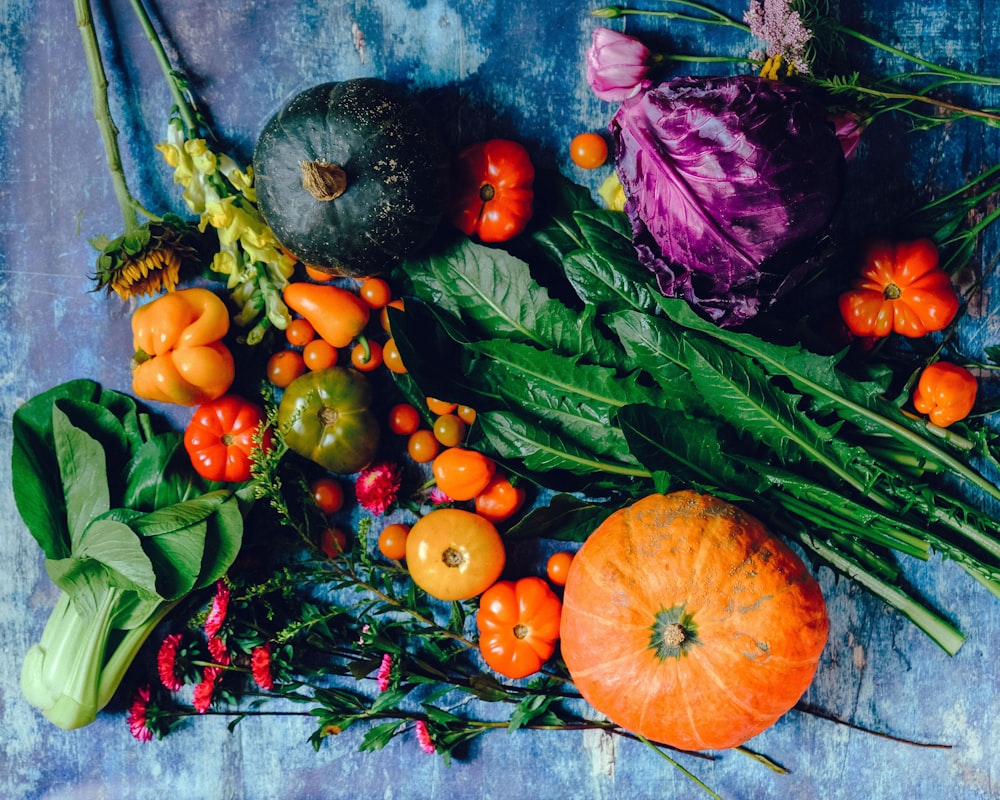
Spinach & Leafy Greens
Packed with lutein and zeaxanthin, these powerful antioxidants accumulate in the retina and filter harmful blue light, protecting against age-related macular degeneration and maintaining central vision clarity.
Salmon & Fatty Fish
Rich in omega-3 fatty acids, salmon supports retinal health and improves blood flow to the eyes. Omega-3s support retinal health and may help reduce the risk of inflammation and age-related changes in the eyes.

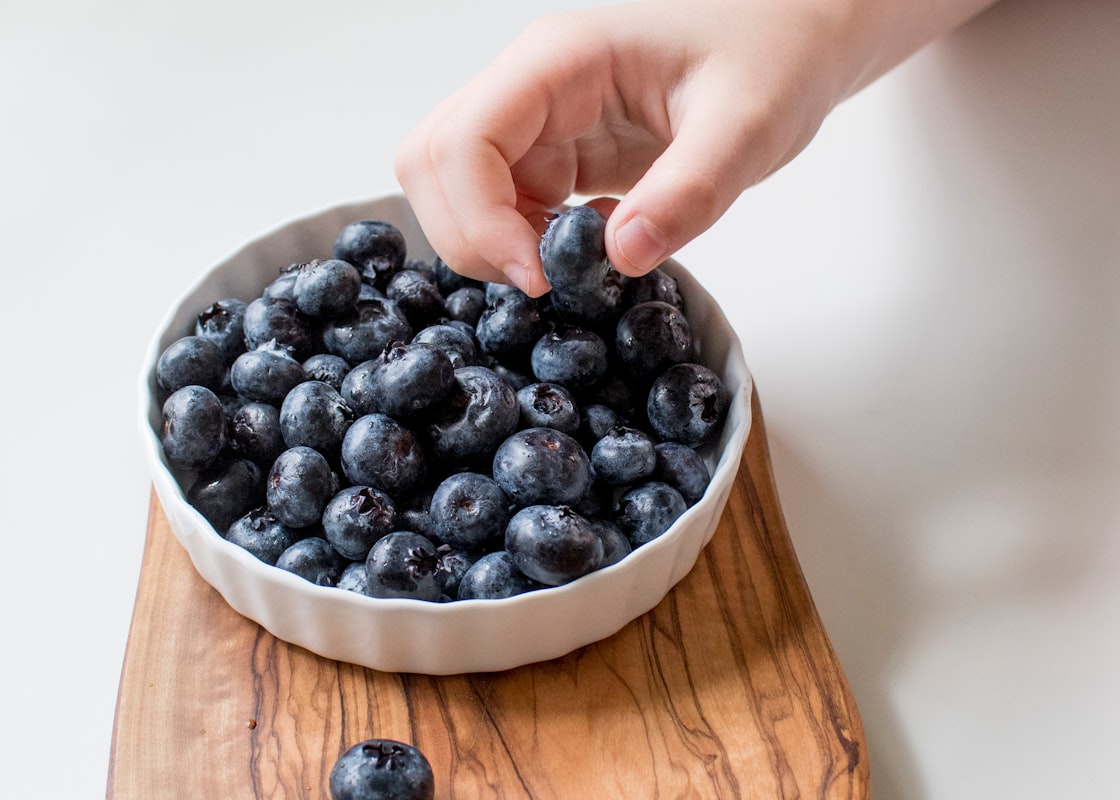
Blueberries & Dark Berries
Loaded with anthocyanins and other powerful antioxidants, berries protect the eyes from oxidative stress and free radical damage. Regular consumption supports retinal function and may slow age-related vision decline.

Carrots & Orange Vegetables
Excellent source of beta-carotene, which converts to vitamin A—essential for night vision and cell growth in the retina. Beta-carotene also acts as a powerful antioxidant protecting eye tissues from damage.

Eggs
One of the best sources of lutein and zeaxanthin, eggs also contain vitamin E and zinc. The yolk's nutrients work synergistically to filter blue light and maintain the health of the macula, the center of the retina.
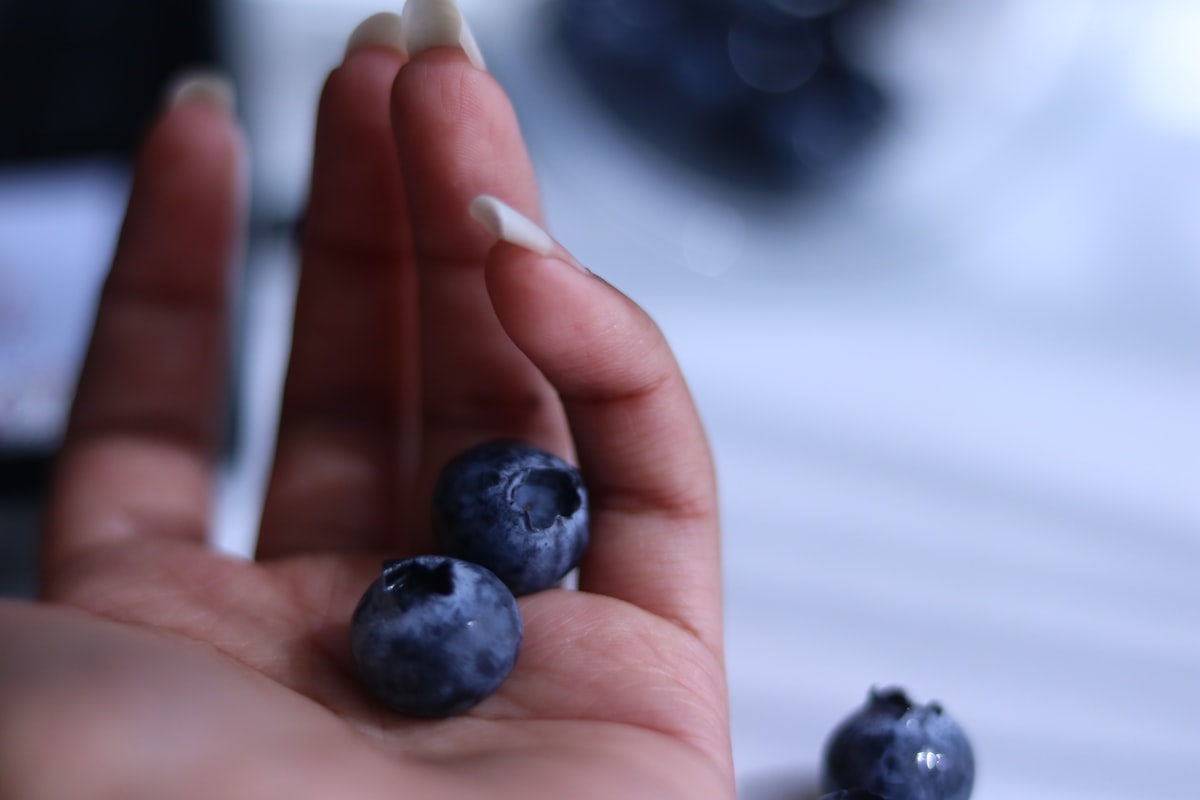
Nuts & Seeds
Almonds, walnuts, and seeds contain vitamin E, zinc, and omega-3 fatty acids. These nutrients reduce inflammation in eye tissues and help protect against cataracts and macular degeneration associated with aging.

Citrus Fruits & Vitamin C
Oranges, lemons, and grapefruits are rich in vitamin C, a potent antioxidant that protects eye cells from oxidative damage. High vitamin C intake is associated with reduced risk of cataracts and age-related vision changes.
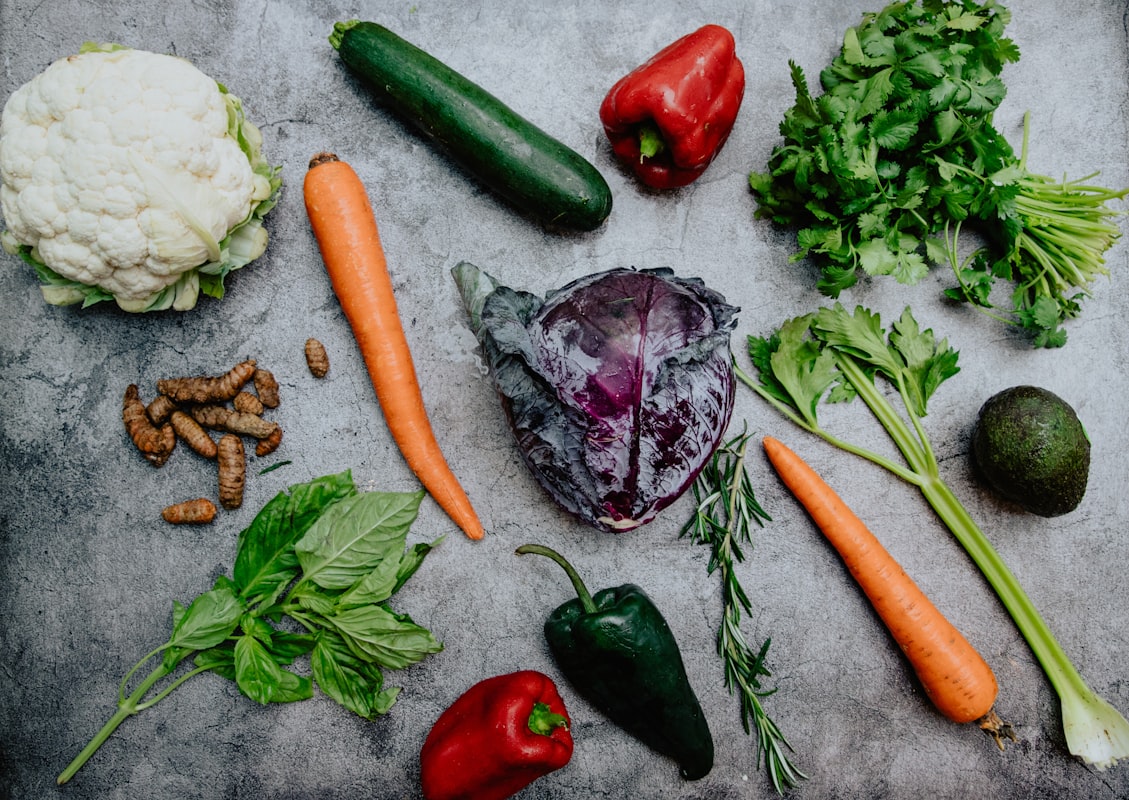
Sweet Potatoes & Orange Root Vegetables
Packed with beta-carotene and other carotenoids, sweet potatoes support retinal health and provide natural sun protection. Their nutrients accumulate in eye tissues to defend against light-induced damage.
Why Nutrition Matters for Eye Health
The eyes are complex organs that require specific nutrients to function optimally and resist age-related decline. Your daily nutrition plays a critical role in maintaining vision clarity and protecting against common age-related eye conditions.
Antioxidant Protection
Antioxidants like lutein, zeaxanthin, and vitamin C shield eye tissues from oxidative stress and free radical damage that accumulates over time.
Retinal Function
Omega-3 fatty acids and vitamin A support the retina's ability to process light and maintain sharp, clear vision in various lighting conditions.
Lens Clarity
Nutrients like vitamin E and zinc help maintain lens transparency and reduce the risk of cataract formation as you age.
Blood Flow & Circulation
Foods rich in minerals and healthy fats improve blood circulation to eye tissues, ensuring optimal nutrient delivery and oxygen supply.
Essential Nutrients for Vision Protection
Understanding which nutrients matter most helps you make informed dietary choices to support long-term eye health and vision clarity.
Lutein & Zeaxanthin
These carotenoid pigments accumulate in the retina and form a protective layer against blue light. Found in leafy greens, eggs, and cruciferous vegetables, they are the most researched nutrients for macular health.
Found in: Spinach, kale, broccoli, eggs, corn
Vitamin A & Beta-Carotene
Essential for the production of rhodopsin, the protein in the retina that enables night vision. Beta-carotene converts to vitamin A and provides powerful antioxidant protection against cellular damage.
Found in: Carrots, sweet potatoes, pumpkin, apricots
Omega-3 Fatty Acids
Critical for retinal function and reduce inflammation in eye tissues. Omega-3s improve blood circulation to the eyes and support the structural integrity of cell membranes in the retina.
Found in: Salmon, sardines, mackerel, walnuts, flax seeds
Vitamin C
A powerful water-soluble antioxidant that protects eye tissues from oxidative damage. High vitamin C intake is associated with reduced risk of cataracts and helps maintain the clarity of the lens.
Found in: Oranges, strawberries, bell peppers, kiwi
Vitamin E & Zinc
Both are essential for cell protection and immune function in the eye. Vitamin E neutralizes free radicals, while zinc supports the retina's antioxidant enzyme systems to prevent age-related decline.
Found in: Almonds, sunflower seeds, oysters, beef
Anthocyanins
Powerful plant pigments with exceptional antioxidant and anti-inflammatory properties. Anthocyanins support retinal blood flow and protect photoreceptor cells from light-induced damage.
Found in: Blueberries, blackberries, dark grapes, acai
Frequently Asked Questions
Get answers to common questions about nutrition, eye health, and age-related vision changes.
How long does it take to see vision improvements from dietary changes?
Changes in vision quality typically take weeks to months of consistent nutrition. Most research studies show measurable improvements in macular pigment density and vision function after 6-12 weeks of regular consumption of vision-protective foods. Long-term protection against age-related conditions develops over years of consistent healthy eating habits.
Can I get all necessary nutrients from food alone?
Yes, a well-balanced diet rich in vegetables, fruits, fish, nuts, and eggs provides all the nutrients needed for eye health. However, individual needs vary based on age, genetics, and existing eye health status. A balanced plate with multiple food sources from our list ensures comprehensive nutrient coverage throughout the day.
Are there foods that harm vision health?
Foods high in saturated fats, refined carbohydrates, and processed sugars can increase inflammation and oxidative stress, potentially accelerating age-related eye changes. High sodium intake may also affect blood pressure and eye health. Limiting these foods while emphasizing nutrient-dense whole foods supports better vision protection over time.
Is Qolvasp a supplement brand or a nutrition guide?
Qolvasp is an editorial platform that provides evidence-based information about foods and nutrients that support eye health. We focus on helping readers understand the nutritional science behind vision protection and how to make informed dietary choices. Our content is educational and designed to empower you with knowledge about natural nutrition sources.
What makes Qolvasp different from other nutrition websites?
Qolvasp combines rigorous scientific research with practical, actionable nutrition guidance specifically focused on eye health. Our editorial team reviews peer-reviewed studies and translates complex nutritional science into clear, understandable content. We're committed to evidence-based information without promoting unnecessary supplements or unproven claims.
Can I use Qolvasp content for my own website or publication?
Qolvasp content is available for educational and personal use. For commercial licensing, reprints, or syndication inquiries, please contact our editorial team. We're happy to discuss partnerships that align with our commitment to spreading evidence-based nutrition information.
What Readers Say
"Qolvasp helped me understand which foods truly support my vision. The research-backed articles gave me confidence to make real dietary changes that complement my eye care routine."
Sarah M.
Wellness Enthusiast
"As someone who spends hours at a computer, I was looking for practical nutrition guidance. Qolvasp delivers exactly that—no hype, just solid science and actionable advice."
James T.
Software Developer
"I appreciate the transparency about what science does and doesn't show. Qolvasp isn't trying to sell me anything—it's genuinely educational."
Elena R.
Health Coach
"The article on lutein sources was a game-changer for me. Finally, a resource that explains the 'why' behind dietary recommendations for eye health."
David K.
Retired Teacher