
See Clearly for Life: Nutritional Keys to Vision Health
Discover how the right foods can protect your eyes from age-related changes and support lifelong visual clarity
The information on this site is for educational purposes only and does not constitute medical advice. Always consult a qualified healthcare professional before making health decisions.
Vision Health by the Numbers
People globally with vision impairment
According to WHO data on age-related vision changes
Age-related cases preventable
Through nutrition and lifestyle choices
Key nutrients for eye health
Found in everyday foods you can eat today
Years of vision preservation possible
With consistent nutritional support
Vibrant Foods for Vibrant Eyes
Explore the colorful world of vision-protecting foods. Each image tells a story of nutrient density and eye health support.
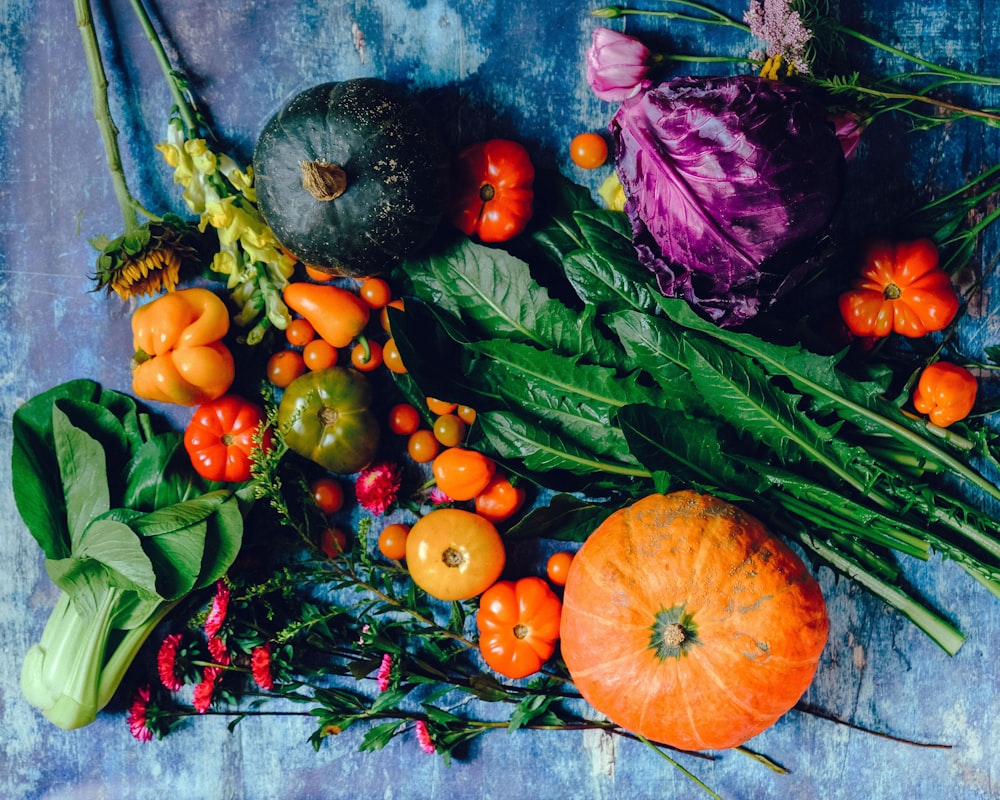
Dark Leafy Greens
Spinach, kale, and collards contain lutein and zeaxanthin—pigments that filter harmful light waves and protect the macula from age-related changes.
Antioxidant-Rich Berries
Blueberries, bilberries, and blackberries provide anthocyanins that strengthen blood vessels in the eye and protect photoreceptor cells from oxidative stress.

Orange & Yellow Vegetables
Carrots, sweet potatoes, and squash deliver beta-carotene and vitamin A, essential for maintaining the retina's light-sensing function and night vision clarity.

Omega-3 Rich Fish
Salmon, mackerel, and sardines are packed with DHA and EPA, which support retinal cell structure and improve blood flow to the eyes throughout aging.
Essential Nutrients That Protect Your Vision
Lutein & Zeaxanthin
These yellow pigments accumulate in the macula and form a protective shield against blue light damage. Found in dark leafy greens and yellow peppers, they are your eye's natural sunscreen.
Anthocyanins
Powerful antioxidants found in berries strengthen capillary walls and improve oxygen circulation to retinal tissues. They combat free radical damage that accelerates age-related decline.
Omega-3 Fatty Acids
DHA and EPA are structural components of retinal cell membranes. Regular intake supports neurological signaling in the eye and reduces inflammation in blood vessels.
Vitamin C
A potent antioxidant that protects lens proteins from oxidative damage and works synergistically with other eye nutrients to slow progression of age-related changes.
Vitamin E
Fat-soluble antioxidant that protects cell membranes in the retina and supports long-term eye health. Works best when paired with selenium and other protective compounds.
Zinc & Copper
Mineral cofactors essential for the enzyme superoxide dismutase, which neutralizes free radicals in retinal cells and maintains cellular repair mechanisms.
Why Age-Related Vision Loss Happens and How Food Helps
As we age, the eyes face a perfect storm of challenges: cumulative oxidative stress, declining antioxidant production, reduced blood flow, and structural changes in the retina and lens. Years of exposure to light, environmental toxins, and poor nutrition accelerate these processes.
The good news? Nutritional support can slow these changes significantly. Specific foods contain compounds that directly address the root causes of age-related vision loss by:
- Reducing oxidative load through dense antioxidant intake from colored produce
- Protecting lens clarity by preventing protein cross-linking and maintaining structural integrity
- Supporting retinal function with DHA-rich foods that maintain neural pathways and light detection
- Improving microcirculation so oxygen and nutrients reach eye tissues efficiently
- Activating cellular repair mechanisms that slow age-related decline at the molecular level
The foundation of vision preservation is proactive nutrition, not reactive intervention.

Consistent nutritional support can help maintain visual clarity throughout the aging process
Top 9 Vision-Protecting Foods
These foods are nutritional powerhouses for eye health. Include them regularly in your diet to provide your eyes with comprehensive protection.
Spinach
One of the highest sources of lutein and zeaxanthin. Contains over 20 beneficial compounds. Eat cooked or raw—both forms provide excellent eye protection.
Key nutrients: Lutein, zeaxanthin, vitamin C, folate
Wild Blueberries
Packed with anthocyanins that cross the blood-brain barrier and accumulate in retinal tissue. Freeze-dried versions concentrate these compounds.
Key nutrients: Anthocyanins, resveratrol, vitamin C
Carrots
Rich in beta-carotene, which converts to vitamin A for optimal retinal function. Orange color indicates high carotenoid content. Pair with healthy fats for absorption.
Key nutrients: Beta-carotene, vitamin A, fiber
Wild Salmon
Exceptional source of EPA and DHA omega-3 fatty acids. Supports retinal cell integrity and reduces inflammation. Astaxanthin gives it antioxidant power.
Key nutrients: DHA, EPA, astaxanthin, selenium
Eggs (Yolks)
Whole eggs contain lutein, zeaxanthin, and choline. The yolk is where nutrients concentrate. Choline supports optic nerve function and brain-eye communication.
Key nutrients: Lutein, zeaxanthin, choline, zinc
Kale
Even higher in lutein than spinach. One cup provides multiple daily values of protective compounds. Can be steamed, baked as chips, or blended into smoothies.
Key nutrients: Lutein, zeaxanthin, vitamin K
Almonds
Excellent source of vitamin E and selenium—mineral cofactors for antioxidant enzymes. Healthy fats enhance absorption of fat-soluble eye nutrients.
Key nutrients: Vitamin E, selenium, magnesium
Red Bell Peppers
High in vitamin C and contain both lutein and zeaxanthin. Heating slightly increases bioavailability of carotenoids. Pairs well with healthy fats.
Key nutrients: Vitamin C, lutein, zeaxanthin
Extra Virgin Olive Oil
Rich in polyphenols and supports absorption of fat-soluble antioxidants from other foods. Anti-inflammatory properties benefit eye tissue health.
Key nutrients: Polyphenols, oleocanthal, vitamin E
What Our Readers Say (Individual results may vary)
After reading your articles on lutein and zeaxanthin, I completely changed my diet to include more leafy greens and berries. After changing my diet based on the articles, my eyes feel more comfortable and less strained during the day. The articles are detailed, evidence-based, and truly life-changing. I've recommended Qolvasp's content to all my friends.
Siti Nurhaliza
Jakarta, Indonesia
I was concerned about age-related changes in my vision. Qolvasp provided comprehensive guides on omega-3 fish and their role in retinal health. I've made these foods a staple in my diet for three months now, and I notice better focus and less eye strain at the end of long workdays. Excellent editorial content.
Bambang Sutrisno
Surabaya, Indonesia
The vision-protecting foods guide was exactly what I needed. I appreciate how Qolvasp explains the science behind each nutrient—lutein, anthocyanins, DHA—without overwhelming readers. The practical meal suggestions have made it easy to incorporate these foods into my daily routine. My eye health has noticeably improved.
Wira Kusuma
Bandung, Indonesia
As someone who spends hours on screens daily, I was experiencing eye fatigue. Qolvasp's articles on antioxidant-rich foods transformed my understanding of prevention. I've added almonds, salmon, and wild blueberries to my diet. The difference in my eye comfort is significant. Thank you for the thorough, accessible health information.
Eka Prasetya
Medan, Indonesia
Common Questions About Food and Eye Health
How long before dietary changes improve my vision?
Most nutrients must accumulate in eye tissues over weeks to months to show effects. Lutein and zeaxanthin build up gradually with consistent intake. Many people report improved focus and reduced eye strain within 4-8 weeks of dietary changes, while structural improvements in the retina may take 3-6 months of consistent nutrient intake.
Can I get all necessary nutrients from supplements instead of food?
While supplements can provide concentrated nutrients, whole foods offer synergistic benefits. The combination of compounds in spinach, berries, or salmon works better together than isolated nutrients in a pill. Real food also provides fiber, texture, satiety, and hundreds of phytonutrients that haven't been isolated yet.
Are some nutrients more important than others for vision?
Lutein, zeaxanthin, and DHA are considered most critical because they directly accumulate in eye tissue and protect the macula and retina. However, vitamin C, vitamin E, zinc, and copper are cofactors for cellular antioxidant systems. All work together—you need the complete constellation of nutrients for comprehensive protection.
Is there a best way to prepare vision-protecting foods?
Light cooking (steaming, gentle sautéing) often increases carotenoid bioavailability. Pairing vegetables with healthy fats enhances absorption of fat-soluble nutrients. Raw consumption preserves some heat-sensitive compounds like vitamin C. Variety in preparation methods ensures you capture multiple nutrients and compounds.
How much of each food do I need to eat daily?
Research suggests benefits from one cup of cooked leafy greens, a handful of berries, and 2-3 servings of omega-3 fish weekly. The goal is consistency across multiple food categories rather than excessive amounts of one food. A Mediterranean-style diet with diverse whole foods naturally provides adequate quantities of all eye-protective nutrients.
What if I have allergies to common vision-protecting foods?
Fortunately, there are many options in each nutrient category. Allergic to fish? Flax seeds and walnuts offer omega-3s. Allergic to nuts? Seeds provide vitamin E and minerals. All nutrients are available across multiple food sources, so allergies don't need to prevent comprehensive nutrition support. Consult our detailed articles for alternatives.
Start Your Vision-Healthy Journey Today
Discover comprehensive guides on vision-protecting foods, detailed nutritional science, and practical strategies for preserving your eyesight through every decade of life.
For questions about our content or to provide feedback, contact our editorial team.